AidEx Nairobi 2026: A Platform for Rethinking Development
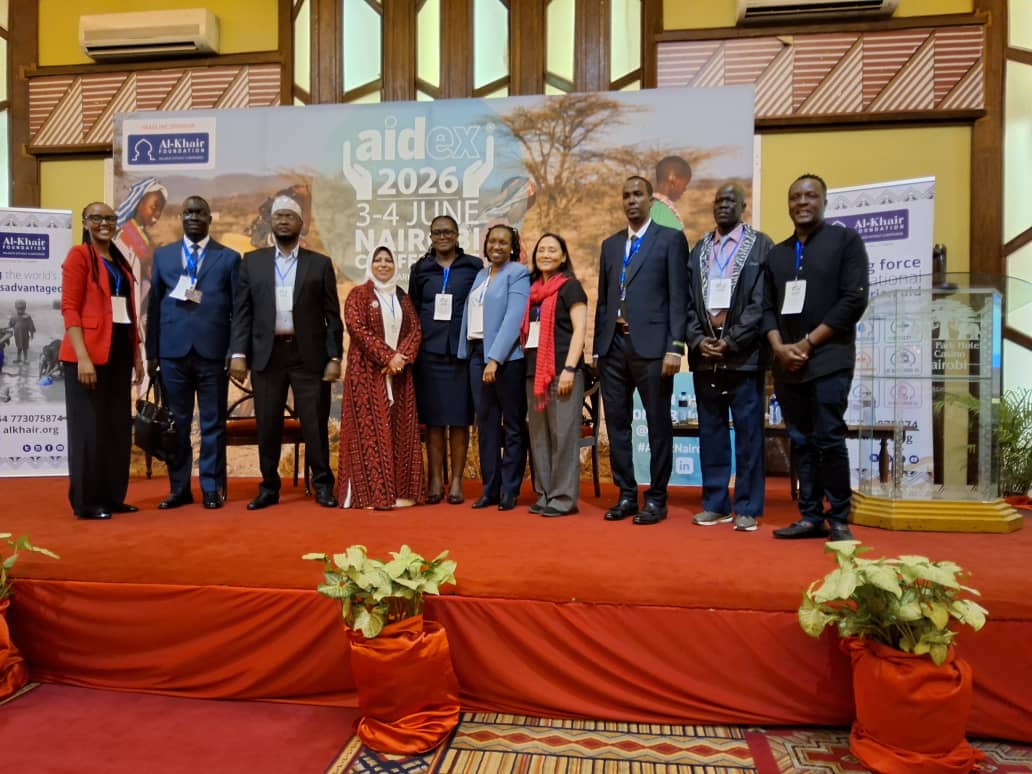
Last week at AidEx Nairobi, June 3-4, Catherine Naisu, Executive Director of Hamiza Development Foundation, shared insights on “Localisation that Works: What Has Actually Moved the Needle and Can It Scale?”
As humanitarian and development actors across East Africa grapple with shrinking resources, increasing needs, and a rapidly changing operating environment, one question dominated discussions at AidEx Nairobi 2026:
"How can the aid and development sector scale sustainable, locally-led, and partnership-driven solutions amidst funding constraints?"
For Hamiza Development Foundation (HDF) and Woord en Daad, the answer was clear:
"localisation works when power, resources, and decision-making are genuinely transferred to local actors."
Together, HDF and Woord en Daad participated in AidEx Nairobi 2026 to share practical lessons from the Local Empowerment and Development for Refugees and Host Communities (LEAD) Project in Uganda—a compelling example of how locally-led development can create lasting change for refugee and host communities.
Turning Localisation from Theory into Practice
For years, localisation has been discussed in conferences, policy documents, and humanitarian commitments. Yet many local organisations continue to face barriers in accessing funding, influencing decisions, and leading development interventions.
The LEAD Project demonstrates that localisation is most effective when local organisations are trusted not merely as implementers, but as decision-makers.
Through support from the Dutch Ministry of Foreign Affairs, Woord en Daad intentionally invested in Hamiza Development Foundation, providing direct funding, technical support, mentorship, and opportunities to co-create solutions tailored to local realities.
This approach enabled HDF to move beyond project delivery and strengthen its institutional capacity while leading interventions that respond directly to community priorities.
Communities Leading Their Own Development
At the heart of the LEAD Project is a simple but powerful principle: communities understand their challenges and opportunities better than anyone else.
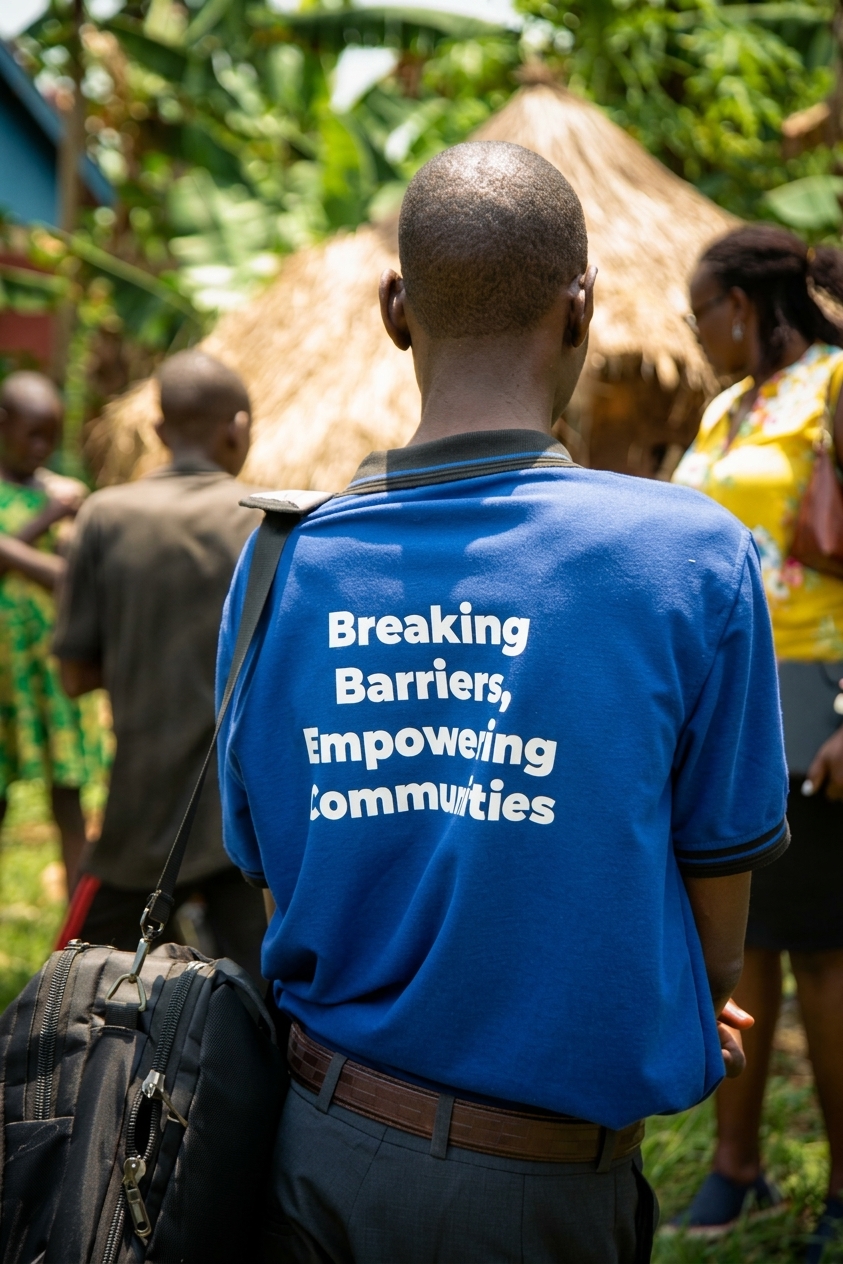
In Bukere Zone of Kyaka II Refugee Settlement, refugee and host community members actively participated in determining what interventions were needed, how they would be delivered, when activities would take place, and who would be responsible for implementation. This level of ownership transformed participation and results.
When communities become architects of their own development rather than passive recipients of aid, interventions become more relevant, more sustainable, and more impactful.
Women, local leaders, and farmer groups played a central role in shaping livelihood activities, ensuring that solutions reflected local priorities and realities.
The Power of Flexible and Multi-Year Funding
One of the key lessons shared during AidEx Nairobi was the importance of flexible, multi-year funding.
Unlike traditional short-term project cycles, the LEAD Project provided HDF with the flexibility needed to invest in staff development, organisational systems, peer learning, and adaptive programming.
This flexibility enabled the organisation to respond to seasonal realities, refine approaches based on community feedback, and scale successful interventions without lengthy approval processes.
The result was not only stronger programming but also a stronger local institution capable of sustaining impact beyond the life of a single project.
Building Stronger Institutions for Lasting Change
Localisation is not simply about directing more funding to local organisations. It is equally about investing in the systems and capacities that enable those organisations to thrive.
Through the LEAD Project, HDF strengthened its financial management systems, safeguarding mechanisms, human resource structures, monitoring and evaluation processes, advocacy capabilities, and leadership capacity.
Staff received training in humanitarian standards, policy influencing, communication, safeguarding, social enterprise development, and the Do No Harm approach.
These investments have positioned HDF and its partners to engage more effectively with donors, compete for larger funding opportunities, and contribute meaningfully to policy discussions affecting refugees and host communities.
Evidence of Impact
The success of the LEAD Project is reflected in tangible improvements within participating households.
To date, 90 out of the 100 targeted households have demonstrated measurable progress against household development plans that were jointly developed with HDF.
Families report improved food security, increased school attendance for children, healthier lifestyles, and greater stability within households.
Perhaps most notably, household incomes increased by 58 percent through community agroecology schools, demonstration gardens, kitchen gardens, and Village Savings and Loan Associations (VSLAs).
These results were achieved because farmers, local leaders, and HDF worked together to design and implement agricultural interventions that met local needs and circumstances.
This is localisation in action—not communities adapting to externally designed programmes, but programmes being built around community knowledge and leadership.
What the Sector Must Scale
The experience of the LEAD Project offers valuable lessons for governments, donors, INGOs, and development practitioners seeking more sustainable solutions.
Rather than replicating a single project model, the sector should focus on scaling the conditions that made success possible:
* Genuine power-sharing with local actors.
* Flexible and multi-year financing mechanisms.
* Long-term investments in organisational capacity.
* Strong community accountability systems.
* Meaningful participation of affected populations.
* Strategic partnerships built on trust and mutual respect.
These principles not only improve effectiveness but also increase the likelihood that positive outcomes will continue long after external funding has ended.
Localisation is Smart Development
The message from AidEx Nairobi 2026 was clear: localisation is not charity, and it is not a trend. It is a practical, cost-effective, and sustainable approach to development. The partnership between Woord en Daad and Hamiza Development Foundation demonstrates what becomes possible when local organisations are trusted, empowered, and adequately resourced to lead.
As the humanitarian and development sector seeks new ways to address complex challenges, the LEAD Project provides a powerful reminder that the most durable solutions often emerge when resources, authority, and trust move closest to the people living the realities we seek to change. Because real development does not happen for communities—it happens with them and through them.
Gallery
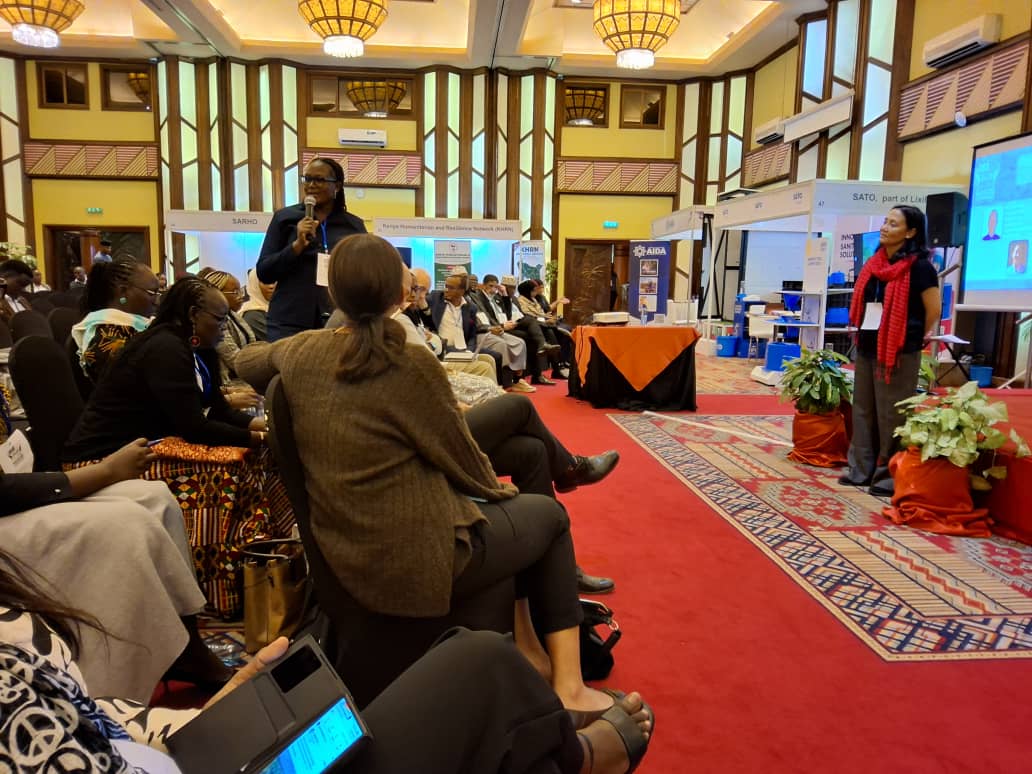
Catherine Naisu, Executive Director of Hamiza Development Foundation, shared insights on “Localisation that Works: What Has Actually Moved the Needle and Can It Scale?”
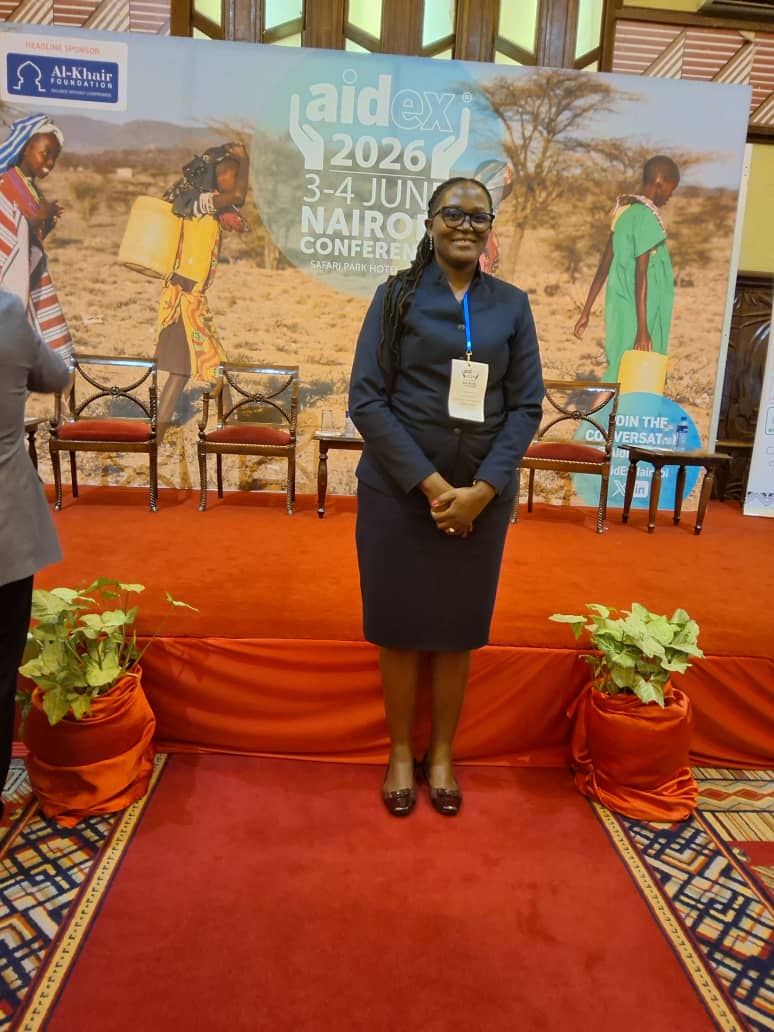
Catherine Naisu, Executive Director of Hamiza Development Foundation